Wondering how to sell your Merritt Island waterfront home without leaving money on the table? You are not alone. Waterfront properties can attract strong interest, but they also come with extra questions about pricing, flood history, dockage, and condition. When you understand what buyers are looking for and prepare your home the right way, you can move forward with much more confidence. Let’s dive in.
Why waterfront homes need a different strategy
Selling a waterfront home on Merritt Island is not the same as selling a typical inland property. Buyers are not only comparing square footage, finishes, and bedroom count. They are also looking closely at water access, views, outdoor living, dock usability, and the condition of marine features.
That matters in today’s market. Recent snapshots showed Merritt Island with a median listing price around $475,000 and median days on market in the 60 to 70 day range, while waterfront listings had their own pace, with 114 waterfront homes for sale, a median listing price of $435,000, and 77 median days on market. In other words, a waterfront home still has appeal, but it usually benefits from thoughtful pricing, polished marketing, and strong documentation.
What Merritt Island waterfront buyers value
Lifestyle sells the home
On Merritt Island, buyers are often shopping for a lifestyle as much as a property. The area’s connection to boating, fishing, wildlife, and outdoor recreation is a big part of its identity. Merritt Island National Wildlife Refuge is known for bird watching, fishing, boating-related recreation, and nature study, while Harbortown Marina offers amenities tied to boating access and ocean connectivity through Port Canaveral.
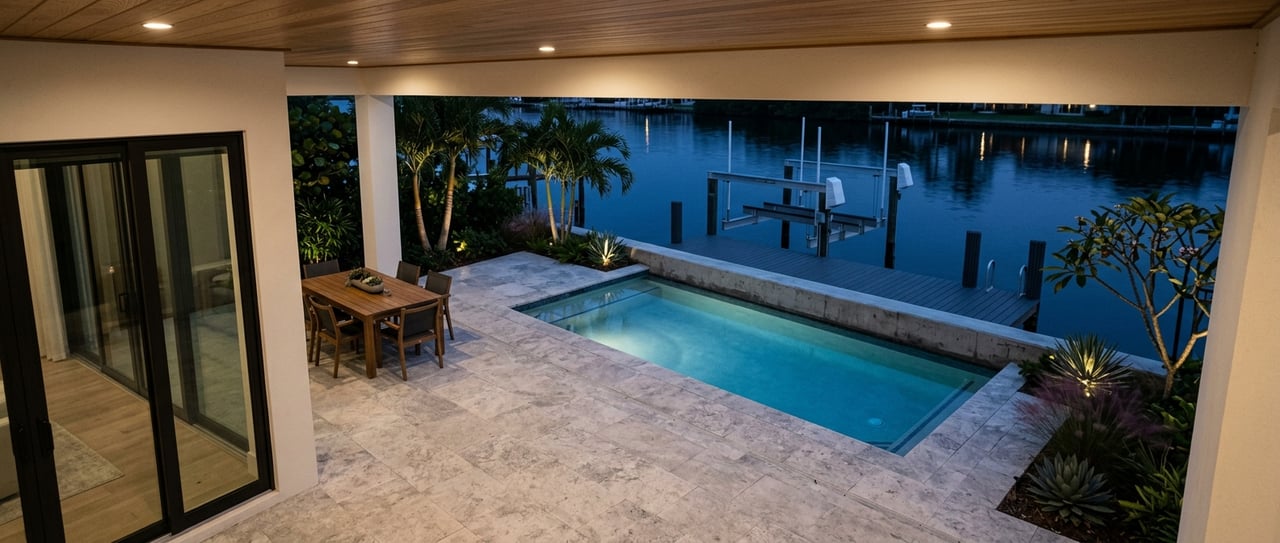
For you as a seller, the takeaway is simple. Features like dock access, boat lift usability, seawall condition, outdoor entertaining areas, storage for gear, and water views should be presented as central parts of the property story. These are not bonus features. They are often major value drivers.
Buyers picture daily use
Many waterfront buyers want to imagine how the home works day to day. They may be thinking about where they would tie up a boat, rinse off after being on the water, host friends outside, or enjoy the view at the end of the day. If your home makes those moments easy, your marketing should help buyers see that clearly.
This is where presentation matters. A clean dock, organized outdoor spaces, and photos that show the connection between the house and the water can make a real difference in how buyers respond.
Prepare before you list
Build a waterfront disclosure file
One of the smartest steps you can take before listing is to gather your records early. Florida seller disclosure materials ask about issues that are especially important for waterfront homes, including past or present water intrusion or flooding, flood-zone status, whether an elevation certificate exists, and whether the seawall and dockage are structurally sound.
Florida law also requires a flood disclosure to be provided to the buyer at or before contract execution. That disclosure addresses items such as known flood damage, flood-related insurance claims, and whether FEMA assistance was received. Since standard homeowners insurance does not include flood coverage, buyers often pay close attention to these details.
Documents that help a sale go smoother
A strong pre-listing file can help reduce stress later in the process. Useful documents may include:
- Elevation certificate, if available
- Permit history for dock, seawall, or boat lift work
- Flood-related insurance paperwork
- Maintenance records for marine improvements
- Inspection reports or repair receipts tied to waterfront features
Brevard County’s floodplain office is the official local repository for FEMA flood map panels, flood-zone records, and some elevation certificates for qualifying structures. The county also notes that flooding in Brevard can result from short-duration rainfall and tidal surges tied to coastal storms, tropical storms, and hurricanes.
Permits matter for marine improvements
On Merritt Island, marine construction records can be especially important. Brevard County regulates permits for installation or replacement of docks, seawalls, and boat lifts in manmade bodies of water. That means permit history is often relevant not only for your disclosure package, but also for buyer due diligence later.
If you have completed work on these features, gathering records before your home goes on the market can help you answer questions quickly. It can also reduce the chance of delays when a buyer starts reviewing the property in more detail.
Price your home with precision
Broad market data only tells part of the story
Citywide averages can be helpful, but they do not tell the full story for waterfront homes. A property on Merritt Island may have a value that is shaped by frontage type, lot depth, water views, dock setup, seawall condition, and the quality of documented improvements.
That is why pricing should go beyond interior finishes and square footage. Two homes with similar living space can perform very differently if one offers better water access, a more usable dock, or stronger documentation for marine features.
Waterfront positioning should be property specific
The most effective pricing strategy usually starts with comparable waterfront sales, then adjusts for the details buyers care about most. Those details often include:
- Waterway type and access
- Dock and boat lift usability
- Seawall condition
- Outdoor living setup
- Lot configuration and depth
- Condition history and documentation
A calm, data-informed pricing approach is especially important in a market where homes are not selling instantly. Strong preparation helps support your asking price and gives buyers more confidence in what they are seeing.
Market to local and relocation buyers
Online presentation matters more than ever
Most buyers start their search online, and many spend a long time there before booking a showing. Zillow’s 2025 Consumer Housing Trends report found that 68% of prospective buyers viewed homes on a real estate website, 59% had been shopping for six months or longer, and high-resolution photos and 3D or virtual tours ranked among the most important listing features.
For a waterfront seller, that means your visual package should do real work. Buyers should be able to understand the layout, see how the home connects to outdoor spaces, and get a clear sense of the water access and setting before they ever step inside.
Prioritize visuals that answer buyer questions
The strongest waterfront listings often include more than standard interior photos. Based on buyer behavior, it makes sense to prioritize:
- High-resolution exterior and interior photography
- Floor plans
- 3D or virtual tours
- Images of the dock, seawall, lift, and outdoor living areas
- Views that show the home’s relationship to the water
This is not just about making the listing look good. It is about helping buyers understand the property faster and more clearly.
Do not overlook out-of-area demand
Merritt Island also draws attention from buyers outside the immediate area. Redfin relocation data showed leading inbound metros included Orlando, Miami, and New York. That creates an important opportunity for sellers, but only if the listing is easy to understand for someone who does not already know the local waterways or waterfront setup.
Detailed captions, accurate descriptions, floor plans, and virtual access can all help remote buyers evaluate your home with more confidence. When a buyer is relocating, clarity matters just as much as style.
Get your home ready for showings
Make the waterfront experience easy to feel
Waterfront showings work best when buyers can move through the property and immediately understand how it lives. That includes the view, the flow to outdoor areas, and the access to any dock or marine features. If those spaces feel cluttered or hard to access, buyers may miss part of the value.
Before showings, focus on keeping the dock, lift area, patio, and yard neat and open. If possible, schedule showings at times that show the property in its best light and make the outdoor spaces easy to enjoy.
Help buyers connect the dots
Many buyers build their short list online before they visit in person. By the time they arrive, they are often trying to confirm what they saw in the photos and decide whether the property feels as functional as it looked.
That is why consistency matters. Your showings should reinforce the lifestyle your listing presents, from clear waterfront access to clean outdoor entertaining space.
Expect waterfront negotiations and inspections
Common buyer concerns are predictable
Negotiations on waterfront homes often center on a familiar group of issues. Buyers may ask questions about water intrusion, drainage, flooding history, roof condition, seawall movement, dock wear, flood-zone status, or whether repairs and marine improvements were completed under permit.
These topics are not unusual. In fact, many of them are directly reflected in Florida’s seller disclosure materials. The more organized and transparent you are upfront, the easier it is to keep negotiations focused and productive.
Inspections often drive the next step
Florida’s seller disclosure form makes clear that disclosure is not a substitute for an independent inspection. Because of that, buyers may use inspections to look more closely at moisture issues, seawall condition, dockage, and other waterfront-specific concerns.
If questions come up, the solution may involve documentation, repairs, credits, or a price adjustment. Preparation does not guarantee a perfect transaction, but it often reduces surprises and gives you better footing during negotiations.
Be ready for insurance questions
Insurance and flood questions often show up early when you are selling a waterfront home. Brevard County notes that losses due to flooding are not covered under most standard homeowners policies, and Florida’s flood disclosure requires sellers to address known flood damage, claims history, and related assistance if applicable.
Having flood-zone records, an elevation certificate if available, and organized paperwork tied to the property can make these conversations much easier. Buyers tend to feel more comfortable when the information is easy to review and consistent with the listing and disclosure materials.
Sell with more confidence
Selling a waterfront home on Merritt Island takes more than putting a sign in the yard. It calls for thoughtful preparation, smart pricing, clear marketing, and calm guidance through the details that matter most to waterfront buyers.
If you want a strategic plan for your sale, from pre-listing preparation to pricing and presentation, Michelle Mariacher offers the local knowledge, responsive communication, and tailored support that can help you move forward with confidence.
FAQs
What makes selling a waterfront home on Merritt Island different from selling an inland home?
- Waterfront buyers often weigh water access, dock usability, seawall condition, outdoor living, and views alongside the home’s interior features.
What documents should you gather before listing a Merritt Island waterfront home?
- Helpful records may include an elevation certificate if available, dock or seawall permit history, flood-related insurance paperwork, and maintenance or inspection records for marine improvements.
Why do flood disclosures matter when selling a waterfront home in Florida?
- Florida requires a flood disclosure at or before contract execution, and buyers often review flooding history, flood-zone status, and insurance-related details early in the process.
How should you price a waterfront home on Merritt Island?
- Pricing should be based on comparable waterfront sales and adjusted for features like frontage type, views, dock setup, seawall condition, lot depth, and documented improvements.
What listing photos help sell a Merritt Island waterfront home?
- High-resolution photos, floor plans, virtual tours, and clear images of the water access, dock, seawall, and outdoor spaces can help buyers understand the property faster.
Why should Merritt Island waterfront sellers think about relocation buyers?
- Recent search trends show inbound interest from places like Orlando, Miami, and New York, so remote-friendly marketing can help out-of-area buyers evaluate the home more easily.